
Over the past few years, a new trend has become obvious: many celebrities and influencers are getting noticeably thinner and promoting weight loss drugs like GLP-1s at the same time. Many of these public figures have come under public scrutiny for their sudden appearance shifts, with some people worrying about these figures, and others expressing their frustrations with the sudden rise in “skinny culture.”
This is not the first time that being skinny has become a trend. Back in the 1990s and early 2000s, celebrities were glamorized by the public for being “heroin chic,” or extremely underweight. For many of these popular figures, maintaining this appearance came at the expense of their health, both physically and mentally. The model, Kate Moss, became famous for her phrase, “nothing tastes as good as skinny feels,” which soon became a common phrase in popular culture. During this time, many teenage girls struggled with eating disorders and their own self-image because of the glamorization of being extremely underweight.
“If any Gen Z are wondering why every Millennial woman has an eating disorder it’s because in the ’00s a normal thing to say to a teenage girl was ‘when you think you feel hungry, you’re actually thirsty so just drink water and you’ll be fine,” Lacy Huber, an editor at Glamour Magazine, tweeted last year about the toxicity of body “trends” during the early 2000s.
Nowadays, romanticizing being skinny has made a resurgence, primarily because of the popularity of weight loss drugs such as Ozempic and other GLP-1s. GLP-1s work by suppressing people’s appetite, slowing their digestion, and lowering blood sugar, which in turn make people feel fuller for longer and subsequently consume less food. Originally meant to treat Type 2 Diabetes, these weight loss drugs have been popularized by Hollywood celebrities in recent years, which has led to more people using GLP-1s even if they do not have diabetes. Celebrities, including renowned tennis player Serena Williams and talk show host Oprah Winfrey, have come out in support of GLP-1s, with Williams even filming a Super Bowl ad to promote the weight loss drugs.
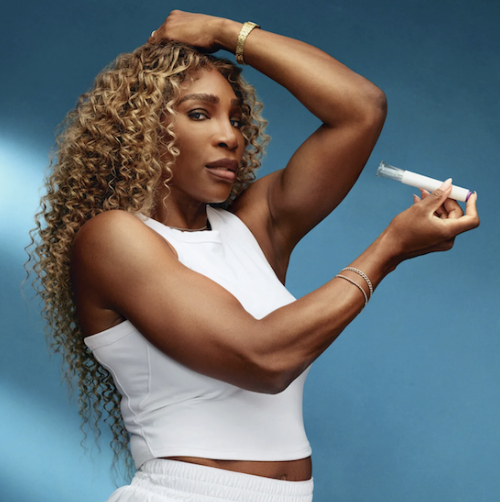
“I feel healthier. I feel lighter. I feel great. It’s a really good feeling. Something I’ve seen improvement on recently were just my numbers … huge improvements,” Williams said to PEOPLE Magazine. Williams also went on to share that she lost 34 pounds in one year, attributing this to her use of GLP-1s.
Williams was largely criticized online for promoting weight loss drugs, as many people felt that as a professional athlete, Williams should be promoting being strong, confident, and healthy, over feeling the need to lose weight. However, Williams is not the only celebrity who has come under fire for their weight loss. Over the past few years, Ariana Grande and Cynthia Erivo sparked concern and controversy online over their weights while on press tours for parts one and two of the “Wicked” movie. The two lost significant amounts of weight over the course of filming both movies, which many people online found concerning, and claimed that seeing the sudden weight loss triggered their own pasts with body image issues and disordered eating.
“Regardless of what the actual medical or health status is of these actresses, which we don’t know, the ultra-thin images, I think, are very painful and can be triggering to someone who has, let’s say, seen their child become emaciated from an eating disorder. Or they know their child was looking at images that look a lot like these press tour photos,” Oona Hanson, a parent coach specializing in eating disorders, said to CNN.
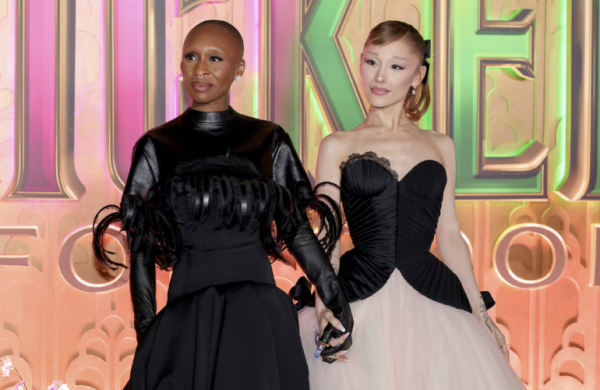
The rise in thinness in Hollywood has had ripple effects down to everyday teenagers and young adults, many of whom have seen the shift and have felt their own self-esteem lower as a result. Seeing these celebrities make public appearances looking underweight and like shadows of their former selves, is proving to have negative effects on how teenagers view themselves and their own bodies.
“Seeing really skinny celebrities has made me feel a little insecure at times, because I am like wow, these people online have the dream body, and I don’t,” Kristen Liu, a junior at NVD, said.
Another junior at NVD, Anjali Mathew, shares a similar outlook on the topic as Liu. Mathew points out that these short-term trends can have long lasting effects on how young girls view their bodies as they grow up.
“A lot of people, myself included, base their body perception on the ‘ideal’ bodies pushed by society. This rapid loss in weight from celebrities has caused this image to warp drastically in a negative direction. The unhealthy standards that girls are looking up to today, I think, will cause eating and weight issues in the long run,” Mathew said.
Social media has also made it easier for these images of “perfect bodies” to be pushed onto viewers, especially young girls who may follow models or beauty influencers online and may strive to meet those beauty standards.
“I think that social media has exponentially created a larger problem surrounding body image because normal people constantly are bombarded with unrealistic bodies which create harmful views about their own bodies,” Liu said.
For Mathew, scrolling on social media and looking at images of celebrities is not a mindless task; while taking in pictures of models and influencers, Mathew makes it a point to remember that although gorgeous, the beauty standards and bodies pushed by these public figures are not always attainable or healthy for the average person.
“I think that we just have to be aware that these are not necessarily safe and healthy bodies, and that many of these influencers had to take GLP-1s or go through dangerous, restrictive dieting routines in order to get where they are. Both of these options harm our bodies, and no look is worth that,” Mathew said.
Going forward, Mathew hopes that there will be less importance placed on being thin or changing someone’s body to fit within these small, restrictive standards. Instead, Mathew is optimistic that there will be more representation of different body types in the media going forward.
“I think that we need more representation for bigger girls, especially within Hollywood and stuff like that. Instead of glamorizing and making the main girls in movies always skinny, we should have more diversity in body sizes to promote that not all healthy bodies are skinny ones,” Mathew said.