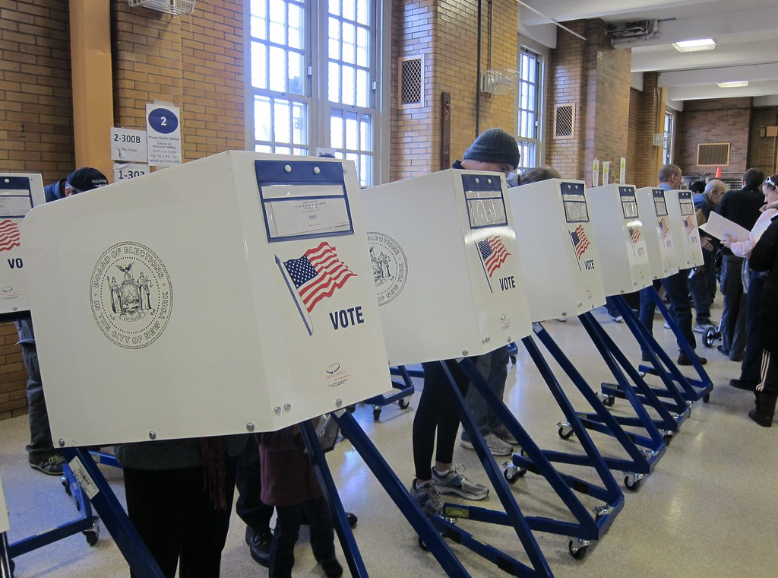
On February 11, 2026, the US House of Representatives passed the SAVE America Act with a narrow vote of 218 to 213. Thereafter, the bill made its way to the US Senate, where the Senate voted 51-48 to open debate on the bill. The Senate is now predicted to spend days or weeks debating the bill and will need 60 votes to move forward due to the filibuster rule.
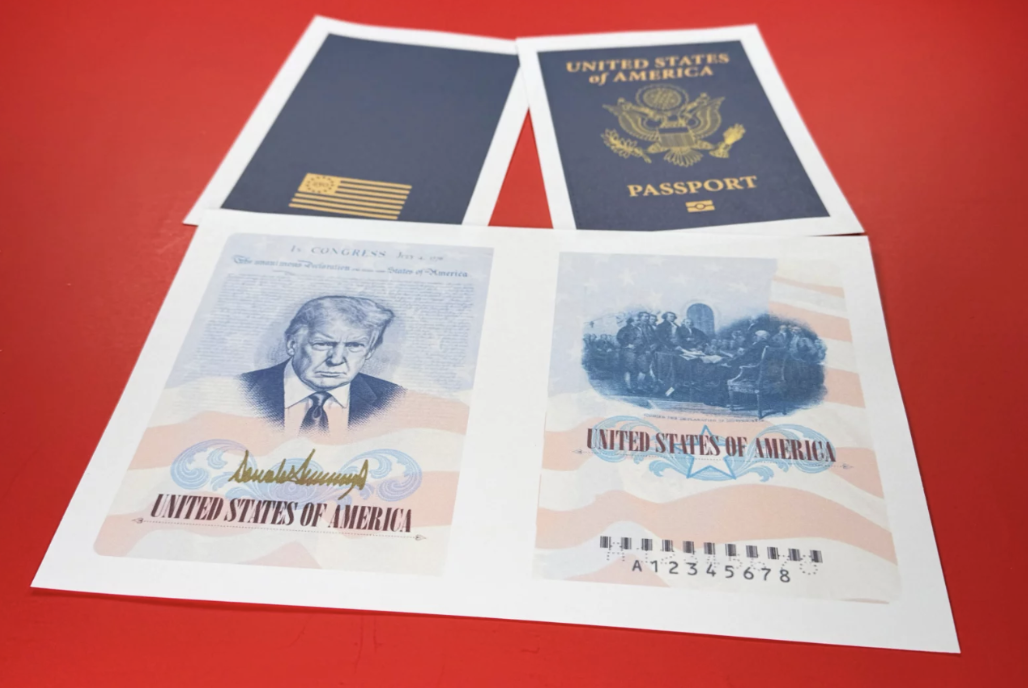
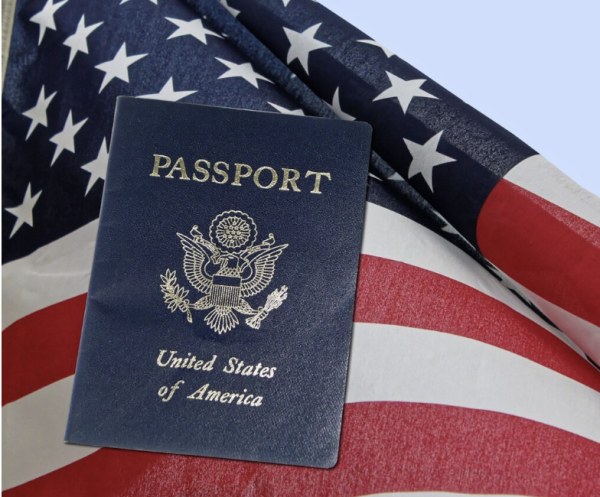
Although federal law already requires voters to be US citizens, the new act would place tighter requirements around voting. The Safeguard American Voter Eligibility (SAVE) America Act, an updated version of the former SAVE Act, would require voters to show proof of citizenship when registering to vote, as well as a photo ID when casting ballots. The documents that qualify as proof of citizenship include a valid passport, an official US military ID card showing record of service and US birthplace, a photo ID card showing proof of citizenship, and an enhanced driver’s license, which is only available in New York, Vermont, Michigan, Minnesota, and Washington. Additionally, states would be required to share their voter rolls with the Department of Homeland Security (DHS) per the bill.
In posts on Truth Social, President Trump said that the act is “one of the most IMPORTANT & CONSEQUENTIAL pieces of legislation in the history of Congress,” and “Only sick, demented, or deranged people in the House or Senate could vote against THE SAVE AMERICA ACT. If they do, each one of these points, separately, will be used against the user in his/her political campaign for office.”
The bill has garnered opposition from many senators and representatives in Congress, citing the issue of voter suppression in the future. According to the Center for Democracy and Civic Engagement at the University of Maryland and the Brennan Center for Justice, about 21 million Americans don’t have easy access to documents that prove their citizenship, 2.6 million Americans lack government-issued photo IDs, and about half of Americans don’t have passports. For those millions of Americans, voting could become increasingly difficult should the SAVE America Act pass, a fact that many government officials are highlighting as debates begin.
“We are ready to be here (in the Senate) all day, all night, as long as it takes to ensure the powers of voter suppression do not win the day,” Senator Chuck Schumer, a Democrat from New York and the Senate Minority Leader, said.
There is also a concern for married women who took their husband’s last names after marriage and others who have gone through with name changes, such as transgender people, and their ability to vote, as their new names do not match the names on their birth certificates.
According to the bill, “an affidavit signed by the applicant attesting that the name on the documentation is a previous name of the applicant.” This could provide anyone who changed their name with means of voting should the act be implemented.
Seeing as the act would take effect immediately should it be approved by the Senate and then President Trump, the upcoming midterm elections would be affected as people quickly work to meet new voting requirements in time for midterms. House and Senate members have expressed concern over this, believing that the act is just a way to make voting difficult for Americans and nationalize elections.
“Donald Trump clearly wants to nationalize the election because he knows that if there’s a free and fair election, it’s over — the House is gone. Republicans have adopted voter suppression as an electoral strategy,” Representative Hakeem Jeffries, a Democrat from New York and House Minority Leader, said.
In response to providing the DHS with voter information, Jeffries went on to say that it is “outrageous” to provide the DHS with more information about Americans while ICE agents are “brutally, viciously and violently targeting everyday Americans.”
Opposite the view of congressional Democrats, many House and Senate Republicans have shown support for the bill. These congressmen and women believe that the bill will help ensure voter security going forward and prevent noncitizens from voting, which they think could also help with the results of the impending midterm elections. Although cases of noncitizen voting are rare, and reports of widespread illegal voting by immigrants have been proven false by reports from the DHS, supporters of the bill harbor concern about illegal voting in past and future elections.
“If we don’t get it done or at least do everything we possibly can to try to get it passed, I think there is a very significant risk that our own base doesn’t show up for us in November,” Senator Mike Lee, a Republican from Utah and leading advocate for the bill, said. “We also worry about the integrity and security of our elections. Nobody knows exactly how things will pan out in part because we don’t yet know the extent of the problem.”
Lee also went on to make note of the benefits of ensuring voter security moving forward, and questioned Democrats in Congress for their opposition to sharing voter registration information with the DHS.
“In states that have started reviewing the voter registration files in order to weed out those [ineligible people] who might have registered, perhaps inadvertently … already there have been thousands of voter registration files identified in just the handful of states doing their own reviews,” Lee said. He then went on to question Democratic-led states for not reviewing their voter registration files, saying they are “refusing even to share their voter registration files with federal officials … which begs the question, why?”
In the coming days and weeks, the Senate will move forward with debating and voting on the bill. In the Senate, the bill would have to get 60 votes to move forward in accordance with the filibuster rule. This rule requires 60 votes to end congressional debate and force a vote in the Senate. Should the bill pass the Senate, it would then move to President Trump, who could then vote the bill into law.