
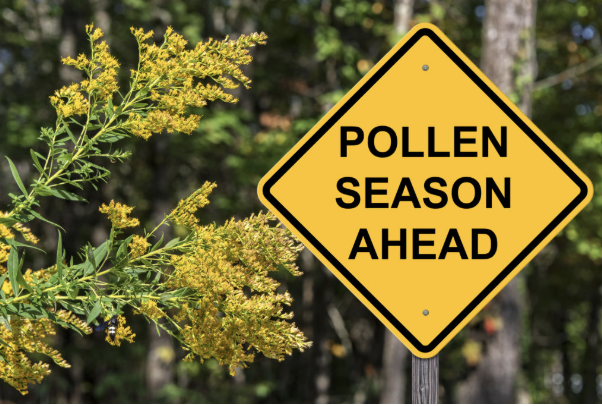
For many students spring brings more than just warm weather. Seasonal allergies are extremely common and affect more than 24 million people. Allergies don’t just cause sneezing and itchy eyes, They can also affect your school day and your ability to perform and learn. Students with allergies are constantly dealing with runny noses, headaches, and not being able to put in their best effort to their work. For many students, allergy season can become a frustrating part of their everyday life.
Some students have symptoms like itchy eyes, or a stuffy nose which makes concentration in class very difficult.
“My allergies affect my school day especially when I’m trying to get my work done and have to keep standing up for tissues,” junior Chelsea Zirin said.
Student athletes or anyone who spends more time outside might even experience worse symptoms because they are exposed to pollen for a long time.
“My allergies make track practice difficult because being outside for long periods of time affects my breathing,” junior Zoe Gatanas said.
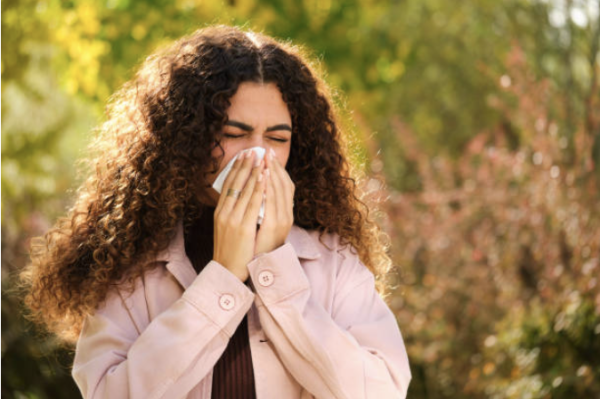
To deal with allergy season many students rely on different allergy medicines, most of which you can get over the counter. According to an article from Mayo Clinic, allergy medicines like antihistamines and nasal sprays can help with sneezing, congestion, and itchy eyes.
“My allergies aren’t too severe, so I just use Zyrtec for a day or two if it gets bad and my symptoms go away. I couldn’t imagine my allergies lasting longer,” junior Addie Rowan said.
While Zyrtec works best for Rowan, it all depends on the person and how severe their symptoms are.
“I use Allegra to manage my allergies because nothing else seemed to help, especially since I spend a lot of time outside,” Gatanas said.
Although allergy season can seem small to some people it can have a major effect on students throughout the spring. Allergies often feel worse when airways are already dry so even small things like candles can make symptoms more severe, as explained by Cleveland Clinic. People’s symptoms last from a few weeks to several months depending on the person.
“I think many people underestimate how serious seasonal allergies can get,” Zirin said.