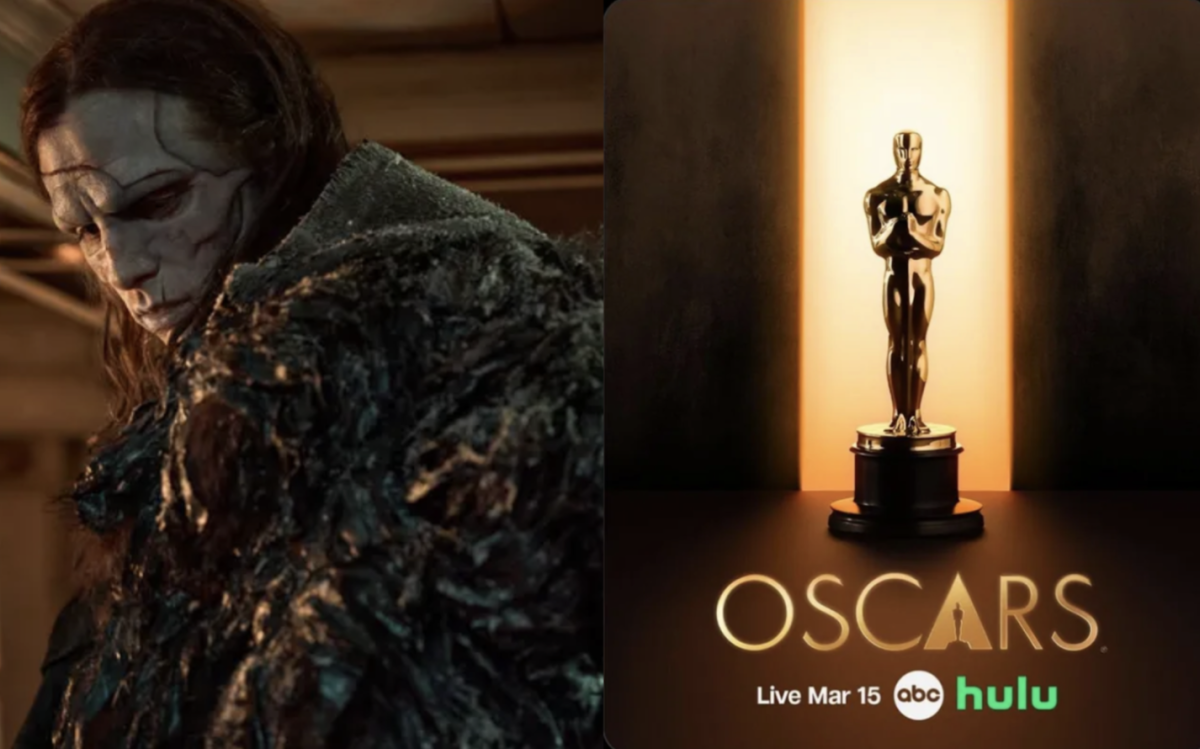
Becoming one of the biggest events in film in 2025, director Guillermo Del Toro’s “Frankenstein” blew viewers away with a deep, yet faithful retelling of the famous story by Mary Shelley with its masterful screenplay, actors, costumes, and other elements, earning the label of the most loyal adaptation of the original book. Released only in select theaters and on Netflix, the film got nominated for nine Oscars for this year’s Academy Awards—and it deserves to win each and every one of them.
One of the categories “Frankenstein” is nominated for is Best Adapted Screenplay. Compared to the other nominees, like “Train Dreams” and “Hamnet,” the film stands out as the one that best understood the piece it was adapting, in terms of themes, characters, and loyalty to the original piece. Some films nominated for the category are only loosely based on their original texts, such as “Bugonia” and “One Battle After Another,” reducing their respective core pieces to tenuous inspirations.
A lifelong dream for Guillermo Del Toro, the film has heart and care behind its original source material that other nominees don’t have. Most other “Frankenstein” adaptations wrongfully depict the story’s creature as a big, brainless monster. However, Del Toro’s script and the acting of Jacob Elordi, who played the creature—and became nominated for Best Supporting Actor for the role—stays true to the intelligent, yet neglected creation of Victor Frankenstein from the novel. Elordi delivered an outstanding performance that evokes immense emotion and empathy towards the tragic character, conveying the book’s original themes of neglect, loneliness, and revenge rather than that of the surface-level horror popularized in other “Frankenstein” media.
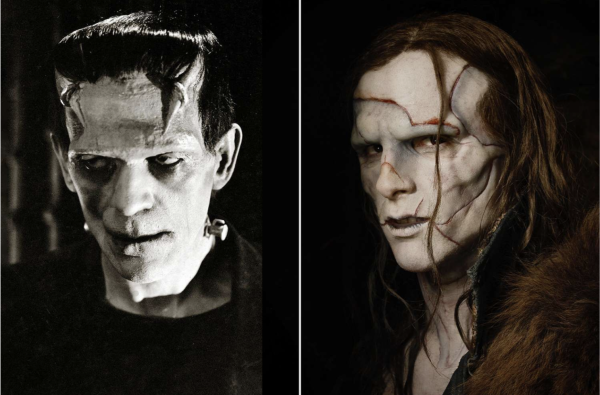
Typically, Oscar nominees fall into one of two categories. The first is spectacular cinema, which are movies designed to prioritize stunning technical aspects, like production and sound. The second is prestige films, which are movies that aim for meaningful cultural impact and critical acclaim, sporting A-list actors, big budgets, and serious themes. As per the usual, it’s easy to tell which categories this year’s nominees fall into… but not with “Frankenstein.” On the one hand, the movie screams spectacular cinema with its gorgeous cinematography, impressive costumes,makeup, and sound, being nominated for each element respectively (Best Cinematography, Best Original Score, Best Costume Design, Best Makeup and Hairstyling, and Best Sound). On the other hand, the film’s prestige film aspects, like its powerful writing, acting, and impressive budget and production quality cannot be left out of the conversation (nominated for Best Picture, Best Supporting Actor, Best Adapted Screenplay, and Best Production Design). “Frankenstein” is the perfect blend of both worlds, making history as a rare case of equal excellence in both the story and technical parts of a film and proving that film doesn’t have to be a one-or-the-other case.
An important component of how a film is judged at the Academy is its social relevancy, which many feel that “Frankenstein” lacks, arguing that other nominees in the film’s categories feature more important social topics, the most discussed examples being “One Battle After Another” and “Sinners.” Both nominated for best picture, the films cover topics like immigration, racism, and political injustice. On the surface, the social issues present in “Frankenstein” may not be apparent—it’s a sci-fi movie based on the novel about an ambitious scientist who develops a creation he’s not ready to handle. However, delving deeper, the film’s messages can be linked to modern-day social topics. For example, Victor’s creation of technology he cannot control parallels discussions of artificial intelligence. Also, toxic masculinity, social isolation and discrimination are core themes in the story. The messages of “Frankenstein,” although not as outright and explicit as those of the other nominees, are very much present and relevant to modern social issues.
Historically, the Academy has been biased against fantasy and science fiction films when it comes to picking a winner. The winning films are usually biopics, period pieces, and dramas, as is yet again evident with this year’s list of nominees. Although, with nine nominations, “Frankenstein” could very well have risen above this academy curse and taken home all nine trophies, as it rightfully deserved to.