
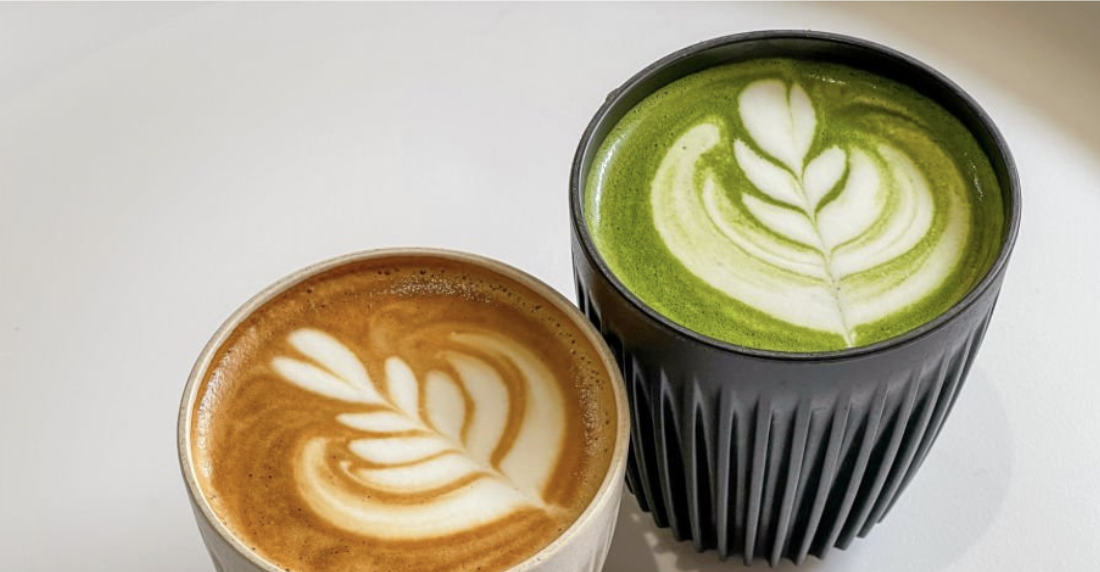
Every high school student has experienced late-night study sessions, before dawn wake-ups, and piles of homework throughout the hectic school week schedule. Oftentimes, students turn to caffeine-heavy beverages to help wake up and get through the busy day. Lattes, matchas, and energy drinks can be seen being carried around NVD by hundreds of students on any given day. But do students know how this caffeine affects their daily lives and futures? Is the hit of short-term energy really worth the long-term effects?
While caffeine does promote an increase in energy levels, not all students drink caffeinated beverages for that reason.
According to a study done by researchers at UC Davis, students drink caffeine “to feel awake (79%); enjoy the taste (68%); the social aspects of consumption (39%); improve concentration (31%); increase physical energy (27%); improve mood (18%); and alleviate stress (9%),” Alexis Mataban Abadiano said.
Grabbing a coffee has become more than a helpful daily task. There is a culture that comes along with drinking caffeine. Picking up a coffee or matcha before school or during a free period has become a sacred ritual for many people.
“Getting coffees and matchas with my friends passes the time. It allows us to catch up when we might not otherwise see each other. It’s also just fun to have a drink to sip on during the day,” senior Casey Ashkenase said.
Although taste testing new drinks and meeting friends at local cafes is fun, caffeine can greatly affect students after hours.
“Caffeine-induced sleep deprivation and caffeine-induced daytime dysfunction are widespread among undergraduate students in the study population,” research published in the Ibom Medical Journal said.
Some students feel they can’t live without coffee in their mornings.
“Coffee is definitely part of my everyday routine. If I don’t drink a coffee in the morning, I become so tired throughout the day,” Ashkenase said.
While one cup of coffee, or a once-a-day energy drink may seem harmless, caffeine dependency can lead to difficult withdrawals later on.
“[T]he withdrawal syndrome is comprised of headache, fatigue, dysphoric mood, difficulty concentrating, and flu-like somatic symptoms,” research published in the National Library of Medicine said.
Other health problems may occur in students who over-consume caffeine.
“Regular, heavy use of caffeine may eventually lead to thinning of bones and fractures, more anxiety, stomach acidity, and increased blood pressure,” Poison & Drug Information of Alberta Health Services said.
So yes, caffeinated drinks do have their upsides, but drinking too much caffeine while still in high school can lead to a lifetime of dependency and progressive health issues.
“The most balanced approach in consuming caffeine is through moderation, as students can still enjoy the culture within reasonable limits,” Abadiano said.