Last year, on October 15, 2024, Victoria’s Secret announced its return to the runway. After nearly six years of no fashion show, fans were ecstatic for voluminous blowouts, themed designs, giant wings, and angel-like models to return to the runway. Unfortunately, the 2024 return was not as expected. Fans criticized the modern slickbacks, tacky outfits, wardrobe and stage malfunctions, and an overall lack of the true “Victoria’s Secret essence.” After seeing the negative public response, Victoria’s Secret decided to try one more time. This year’s Victoria’s Secret Fashion Show premiered on October 15, with over 2.1 million live viewers and 30 million views just on YouTube. While the production this year was widely complimented, other questions regarding inclusivity arose.
My favorite segment was the angelic opening segment titled “First Light,” honoring the iconic core Angels returning to the runway. Models such as Jasmine Tookes, Adriana Lima, Doutzen Kroes, Alessandra Ambrosio, Lily Aldridge, Joan Smalls, Barbara Palvin, Behati Prinsloo, and Candice Swanepoel returned to the nostalgic stage for one more walk. I thought it was very reminiscent of the 2000s Victoria’s Secret era that the public has been hoping to see return.
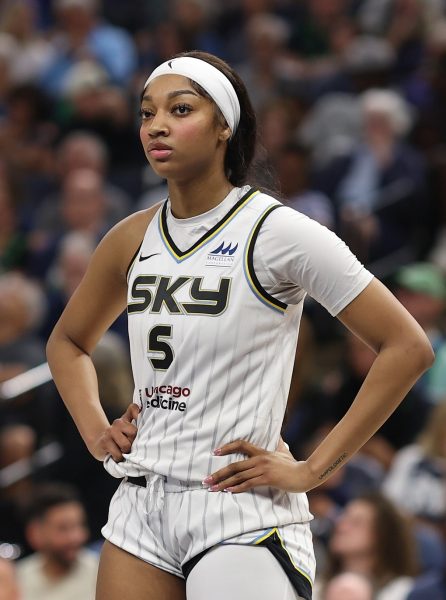
As the show went on, many new models graced the runway. One of which was American Basketball player, Angel Reese. Reese is the first athlete to ever walk in a Victoria’s Secret fashion show. Along with this first, Jasmine Tookes also became the second black woman to ever open the show, let alone while being pregnant. Others such as American Olympic Gymnast Sunisa Lee, Gabi Moura, Iris Law, Lila Moss, and more were also first timers at the fashion show. While they provided new looks on the runway, many people argued that their place was not in the runway. Some viewers claimed that audiences such as athletes, nepo babies, influencers, plus sized, transgender, and even short people were not worthy of a place walking in the show.
Main complaints that circulated regarded the quality of the models, as opposed to the fashion. Many argued that the beauty standards were not enough for a brand known for their unrealistic beauty standards. However, the Victoria’s Secret Fashion Show is meant to sell clothes, not the models. Everyone wears clothes, regardless of their race, status, gender, height, or presence. Therefore, these complaints that they are including unconventional models are really what we need. Many people wish for inclusivity, yet flinch at the sight of an average looking or unique model. While Victoria’s Secret is taking steps in the right direction, we need more. The world does not only consist of skinny and plus sized or black a
nd white, but of a wide range of human beings. True inclusivity means representing the disabled viewers, the queer viewers, the young and old viewers, the short and tall viewers, and so much more. If true inclusivity is what we desire, then they are not there yet- but certainly on the right path.