Artificial intelligence is increasingly used in the media to assist with writing, editing, and processing information. While it improves efficiency, it also raises concerns about accuracy, bias, and transparency. This article examines how AI is shaping modern reporting and the future of the field.
Notice anything off in that introduction paragraph? It sounds lifeless, too flat, definitely not something that would hook you in or push you to continue reading on. That was the work of everyone’s latest best friend, ChatGPT. In November of 2022, the artificial intelligence bot, ChatGPT, was introduced. Due to its quick answers and immediate user satisfaction, ChatGPT gained popularity almost immediately, changing the lives of many. However, along with this gained traction came consequences: artists, photographers, and journalists, among many others, slowly became replaced by AI. Pitch perfect music replaced unique and dissonant melodies, straight paint streaks replaced expressive splatters, robotic writing replaced emotionally charged paragraphs.
As a student journalist, I am familiar with the scarcity of genuine writing and creativity in the media. I see it in the AI generated ads in my Vogue magazines, I see it in the deepfake videos on Instagram, and I especially see it in news articles and statistics stating that the amount of AI generated articles being published are nearly surpassing the amount of traditionally written ones. AI has never belonged in creative industries, nor will it ever hold as much power as human souls do.
There is a reason our right to freedom of speech is in the First Amendment: expression is crucial to living! A universal experience is witnessing an exhibit of expression so strong and inspiring it moves you. Everyone has a song they listened to once that changed their lives forever, or a theater production they watched that sparked a new passion. Yes, AI can create nearly perfect versions of each of these, but perfection is not what creativity strives for. What makes creativity stand out is the abundance of flaws. An application such as ChatGPT will never be able to create an imperfect, messy, opinionated, and real piece of art- which is exactly why we need more unchained and expressive art, not mundane works from an algorithm programmed to derive its outputs from human knowledge.
With the uprise in usage of AI in creative areas, expectedly, people are using their imaginations less and less. My favorite childhood memories consist of me coming up with dances with my sisters and creating extensive storylines for my stuffed animals. Now, imagine if I had simply prompted a bot to “create a core memory.” Of course, it is not that simple. To receive an idea you like, you must input all necessary information and continue to ask it to modify the concepts if you aren’t satisfied after the initial result. While the quick and easy process can be appealing, I find the opportunity of being able to showcase your own ideas to be much more satisfying. When creativity is kept alive, so is the spirit, and the freedom to keep your own story and memories alive as well.
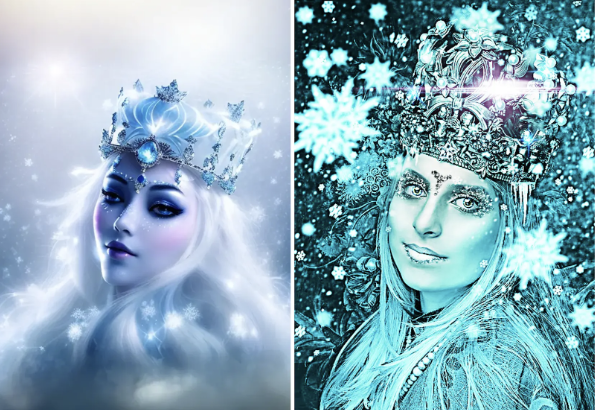
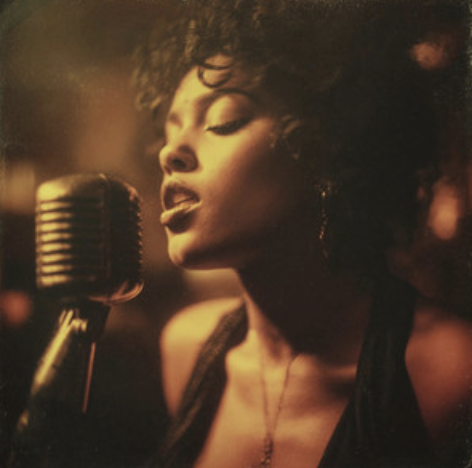
AI has also been flooding creative areas, plaguing everyone with fear that it will take jobs from humans. Tilly Norwood- the world’s first AI actress- struck Hollywood by surprise, disturbing actors and viewers and causing them to question how powerful this medium can be. More recently, the rising singer Sienna Rose was revealed to be an AI voice after gaining millions of listeners. When scrolling through social media, AI ads are being used rather than hiring graphic designers, spreading the same repetitive art. These creations were invented to fill in spots and provide some benefit to their industries, yet it is having the opposite effect. With the increased usage of AI, those in creative areas are beginning to fear not only for their jobs, but for the death of creativity within them. How will a robot ever be able to mimic the same human emotion that goes into these works?
Don’t be afraid of letting imperfections take control of your art. The best way to combat this creative drought is to resist AI delegation in these areas that hold the most risk of being corrupted. Keep creating messy art, continue writing nonsensical stories, singing loudly and off tune, and acting out dramatic monologues in the shower.
Remember: the honor of choosing your own words, expressing your unique opinion, speaking from your soul, is more valuable than letting a robot speak for you.