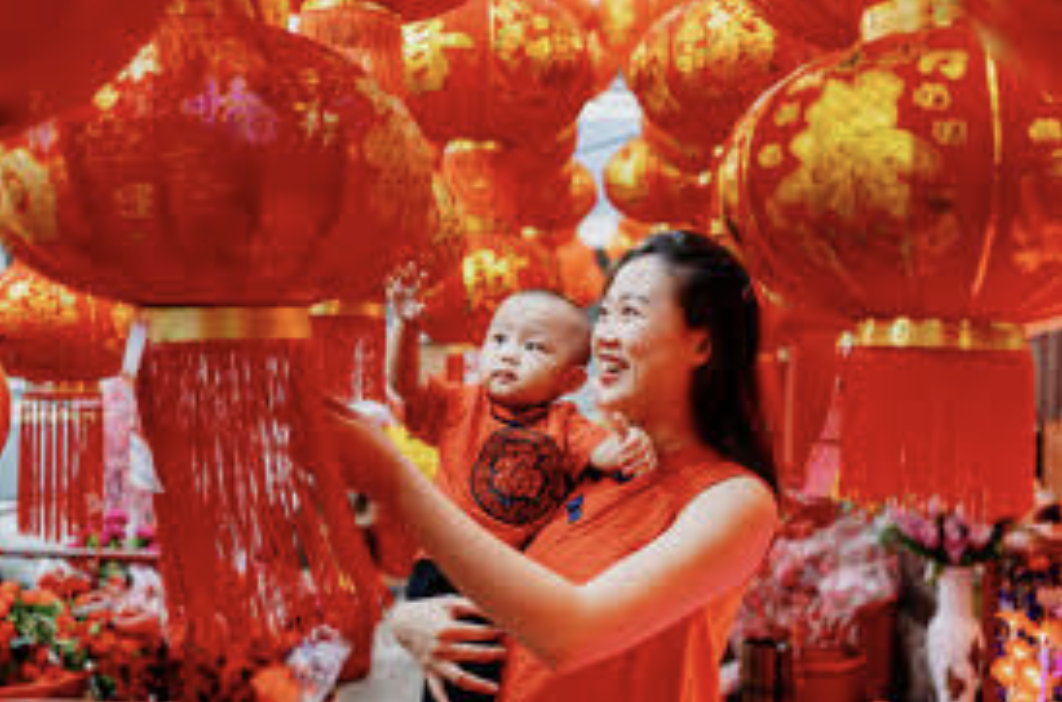
In many East Asian countries, some families still continue to celebrate Lunar New Year, which always starts on a new moon. This holiday and calendar originated from China during the Shang Dynasty, quickly spreading to surrounding countries—and over time, each of these adjacent countries have developed their own traditions.
Taiwan, for example, makes visiting temples a big part of their Lunar New Year celebrations. Jada Lin, senior at NVD, shares her experiences.
“I think we’re pretty similar to other countries, especially China [because] of the language and colonizing influence, but I definitely think Taiwan is definitely more religion centered. It’s not that it’s pushing you to believe the religion at all, it’s just that our country is basically built on believing in Buddhism/Taoism, so in every big event/holiday it always connects back to them. Going to the temples is important and it’s really important to actually pray when you get there. If you don’t…basically you could have a bad year, and it’s better to be safe and request Buddha for a good year,” Lin said.
Other than religion, food also plays a huge part in the Lunar New Year celebration.
“For the new year itself, it’s really about family coming to eat together…I kinda don’t really know what to make of the food, since I don’t think there’s anything specific? However, a whole fish is usually eaten since when you translate fish into mandarin “yu” it sounds like the word for fortune in the traditional saying “年年有餘 (Nian nian you yu).” which means basically you’ll have a fruitful year. I actually don’t really know much on food since it’s usually just I think whatever makes a grand dinner. It’s really more about the fact that your relatives are coming back together,” Lin said.
Many other countries have traditions such as this, with grand spreads of foods traditional to that country’s culture prepared and laid out beforehand.
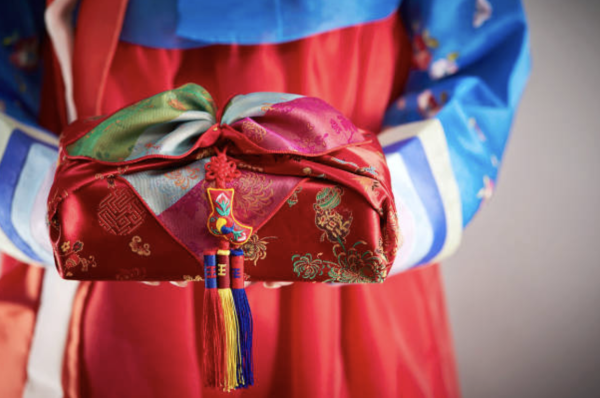
“In Korea Lunar New Years is celebrated by eating a feast with lots of different foods like tteokgguk (rice cake soup), namul (raw side dishes), egg battered meat, and more,” Yoori Song a resident of Demarest, New Jersey, said. “Parents and other family also give red envelopes filled with money to kids, and the kids in turn show their respect and gratitude towards their grandparents and parents by doing a formal bow called sebei and say Happy New Years. People also wear hanbok, traditional Korean clothes, and play games such as eunnori, and soccer-like ball games.”
Moving on to Japan, though the country largely follows the western new year calendar, some still follow old traditions and celebrate Lunar New Year. Najiya Phillips, an AP Japanese student in NVD, elaborated.
“Though Japan has mainly converted to the Western New Years, people who still celebrate Lunar New Years eat soup with noodles, and a lot of their traditions revolve around luck and superstition, which is why they eat noodles on New Year, believing they will grant longevity, and why they clean their houses before new year to sweep the bad luck away. They also give money to kids and visit friends and family,” Phillips said.
One other tradition that is usually the same with only slight variations in every celebrating country are the animal zodiacs. In China the twelve animals are the Rat, Ox, Tiger, Rabbit, Dragon, Snake, Horse, Goat, Monkey, Rooster, Dog, and Pig in that order. It’s the same in Korea, while in Japan the pig is swapped for a boar, the goat is swapped for a sheep, and the ox is a cow.
The story goes that one day God decided to hold a race to see who the twelve zodiac animals would be, and the first twelve animals to reach the top of a specific mountain by noon the next day would be chosen. The Ox, though slow, woke up early and set off diligently, lumbering his way up the mountain. The crafty rat was smart enough to hitch a ride on its back all the way up the mountain, and jumped off right before arriving before God to be declared first place. The ox was second, which is why the year of the Ox comes right after the Rat, which is the first. The tiger came after, then the rabbit, then the dragon, snakes, horse, goat, monkey, rooster, dog, and pig in order. And though it’s largely superstition believed for fun, the attributes of animal of the year you were born in often are used to predict your personality or future.
“I’m a rat. In my country I think actually a lot of people have a negative image of it since it cheated by riding the cow for a while during the race, so people usually think it’s icky and a cheater. However, I think, and other rat people and people with less negative impressions, just think of the rat as clever since it used it’s resources to get to first place,” Lin said “After all the goal was to win the race. So basically when it’s not viewed negatively its viewed as intelligent and resourceful. I think it represents me well?…I would hope that I’m smart and resourceful, though I’d be a bit saddened if people thought of me as a cheater and a gross rodent.”
Thankfully, Lin isn’t too caught up on the zodiac system.
“…I’m happy to be one, and I don’t personally think any other zodiac is better than the others so that complex of disliking or liking doesn’t impact me that much,” Lin said.